26 November 2026
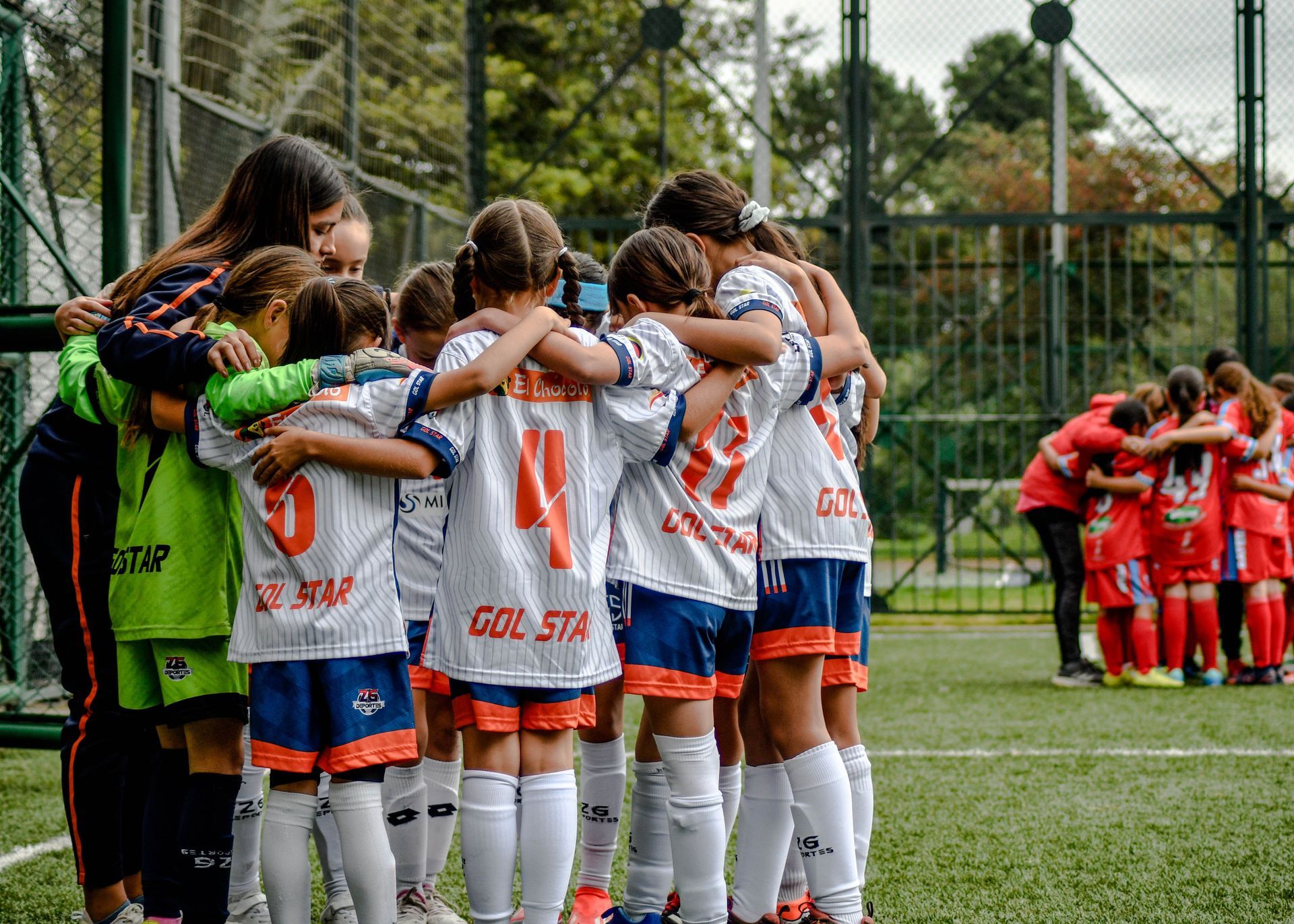
I am beyond excited about the UK hosting the Women's World Cup in 2035. As a football fan, father of two daughters and a son, it's difficult not to be. My eldest daughter plays for a local under 9s side. Right now, football is a significant part of our busy lives. By the time the Women's World Cup arrives, she'll be in her late teens and, on paper at least, exactly the sort of young person this tournament is supposed to inspire. That's what makes one stat so unsettling; according to Women in Sport's Let Her Dream research, the proportion of girls and young women aged 13 to 24 who dream of reaching the top in sport has fallen sharply in recent years. That feels counterintuitive at a time when women's sport has never been more visible. The conversation is often dominated by visibility, getting women’s sport on TV more, more role models, bigger platforms, sponsorship deals and making the competitions impossible to ignore. Absolutely right, can’t argue with that, it’s vitally important and there’s still miles to go on that journey. Crucially, it is happening, albeit slower than we would have liked, but the wheels are in motion. And it will continue to happen and grow, which is amazing. The Lionesses aren't niche figures anymore, audience figures are up around major tournaments, brand investment is at an all-time high and women's football receives a level of coverage that would have been hard to imagine a decade ago. And yet here we are, asking why so many girls still don't see elite sport as a realistic possibility. Maybe that's because visibility and opportunity are completely different things. Watching Alessia Russo score at Wembley is inspiring, but finding a local team with enough coaches, pitch space and volunteers to support growing demand is something else entirely. Even the club our girls play for, pitch space and resource for girls’ teams is sparce, often an after-thought. Credit to them, they are trying. A World Cup can put women's football in front of millions of people, but it can't, by itself, solve the practical reasons beyond why girls stop playing sport. That's why I found Sky's recent move so interesting, seeing a broadcaster driving a coalition to push participation feels like an acknowledgement that awareness alone isn't enough. If seeing women's sport was all it took, we'd have cracked this by now. The next challenge is much harder, converting attention into action, with retention. And that's where I think the conversation around 2035 risks becoming too comfortable. We're already talking about legacy, almost a decade before the tournament starts. But legacy isn't a marketing slogan, it's not a presentation slide and certainly isn’t measured by audience figures or social media impressions. It's measured by whether local clubs can cope with demand, if facilities improve, whether girls stay involved in sport through their teenage years, affordability, pathways and real progress. My eldest daughter will be old enough to judge all of that for herself when the World Cup arrives. Of course, we will be there cheering the Lionesses on, but the truth is, I care less about if she watches the final than if she still feels sport has a place for her by then. By 2035, she and millions of other girls will have had more than enough inspiration. They'll have had at least a decade of role models, record attendances and greater visibility than any generation before them. The UK has won the right to host the Women's World Cup. In nine years’ time, the girls growing up alongside it can decide whether we made the most of it and if their generation has inherited a sporting system that genuinely opened more doors than the one before it.